On 29th August 1994, Oasis released their debut album Definitely Maybe. It was, you know, an okay rock album. Definitely commercially successful. But these Beatles-wannabes were definitely (maybe) missing something.
The problem with Oasis was that, while the Beatles were great because of their willingness to try new things and diverge from expected forms, Oasis' particular brand of alchemy was indeed about distilling The Beatles down to a formula and reduplicating that. In their eagerness to copy The Beatles, Oasis erased the very thing that made The Beatles exciting. Oasis were, to put it bluntly, very deliberately about not trying new things, because they were so in awe of the past.
On a certain level, I can understand the indie gaming scene's fascination with nostalgia. To celebrate older forms of gaming that have been abandoned by major publishers before their time is not entirely unworthy, especially when what major publishers have chosen to focus on instead is, by-and-large, uninspiring.
But I simultaneously can't help but feel there's a certain level of... let's call it Oasisism in the indie sector. We love those old games, so let's reduplicate those. Ok, but if you're nostalgic for a time when game developers were more willing to try new things, what does deliberately not trying new things really accomplish?
Let's talk about why major publishers' games are so uninspiring. They're not bad games. They're not even games I dislike. But they're made to such a calculated formula that for everything I like about them, I know exactly why I like it. And there's a certain predictability in that, which lacks the power to surprise and, yes, inspire. The magic is gone.
What I love about older games is what I call "The X Paradox", after Egosoft's X series of games. I love the X series. It's one of my most-played franchises, and not without reason. I mean, I know there is a reason, but I'm not entirely sure what that reason is. Ask me to talk about the games and all I'll give you is a laundry-list of complaints. And yet, it still ranks among my all-time favourites. In fact, the lack of ease with which I can identify its appeal is, itself, part of its appeal. The X Paradox, then, can be expressed as "I love it because I don't know why I love it."

X3: Terran Conflict is one of the few more recent games to do this to me, but it's a common theme in older games. It is not, however, something that games that trade on nostalgia have managed to recapture. The reduplication process of nostalgia games is, much like Oasis, trying to distill an appeal formula from the work of people who were just trying stuff.
This process is so entrenched in the indie scene that I can understand people trying to push the label of "alt games" to distinguish themselves from indies. Unlike the nostalgia-trade, alt games are about trying new things. In my more idealistic moments, I detest the term "alt games" because everything is an alternative to something, but at other times I kind of accept that that view is more one of how gaming should be than how it is. As trite a summary as it may be, it's important to try new things because that's what makes games exciting.
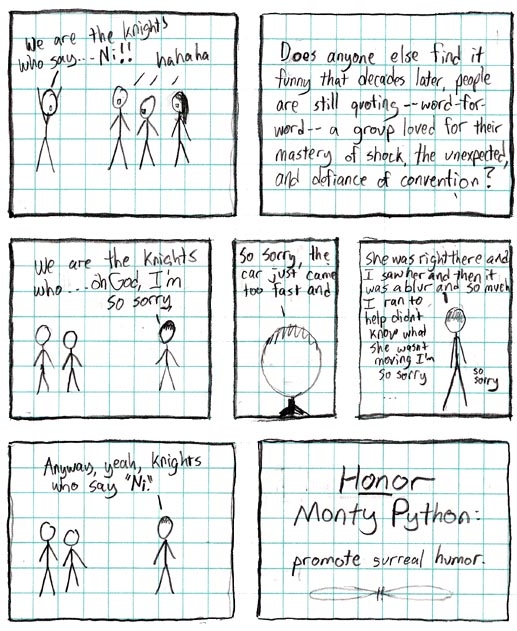
I didn't hate Oasis. I just found them kind of boring. Mimicry of pioneering is not in itself pioneering. Mimicry of a game that showed us something we'd never seen before is, by definition, not showing us anything new.
And it's not like the game industry has run out of ideas. There is a massive surplus of cool ideas in game development - more than could ever be made into games. It's just that, thanks to not even market forces, but the perception of market forces, those ideas don't get followed through.
And that's a shame.

No comments:
Post a Comment